



Health and Safety


Our Commitment
JAS Asset Public Company Limited recognizes the importance of health, safety, and well-being in the operation of its shopping centers, which are key factors in building confidence and satisfaction among customers, tenants, employees, and surrounding communities. However, managing health and safety is a significant challenge
As the Company must oversee safety across various types of areas including rental spaces, multipurpose areas, and offices each with its own unique risks and requirements. The Company must also comprehensively manage risks related to accidents, hygiene, and emergencies.
Additionally, JAS Asset must consider the needs of diverse stakeholders customers, tenants, employees, and communities requiring a holistic approach to ensure that all parties continuously comply with safety and health standards.
Accordingly, JAS Asset Public Company Limited has established policies and operational guidelines on safety, occupational health, and the working environment under the Company’s Human Rights Policy to serve as comprehensive and effective preventive measures. The Company focuses on improving and maintaining the safety of rental spaces, multipurpose areas, and offices, while also implementing a Business Continuity Plan (BCP) to ensure uninterrupted operations in the event of emergencies or disasters, thereby minimizing the impact on employees, tenants, customers, and other stakeholders from potential incidents.
Supporting the SDGs Goals






Stakeholders Directly Impacted


Goals and Performance Highlights
Goals

- Fatalities: Zero
Performance

Fatalities:

Total employee working hours


Management Approach and Value Creation
JAS Asset Public Company Limited places great importance on systematic health and safety management to create a safe working environment and shopping center spaces for customers, tenants, employees, and all visitors.
The Company implements comprehensive safety management measures from risk assessment, the establishment of preventive and control measures, to continuous monitoring and evaluation to ensure that operations comply with international standards and achieve the highest level of efficiency.
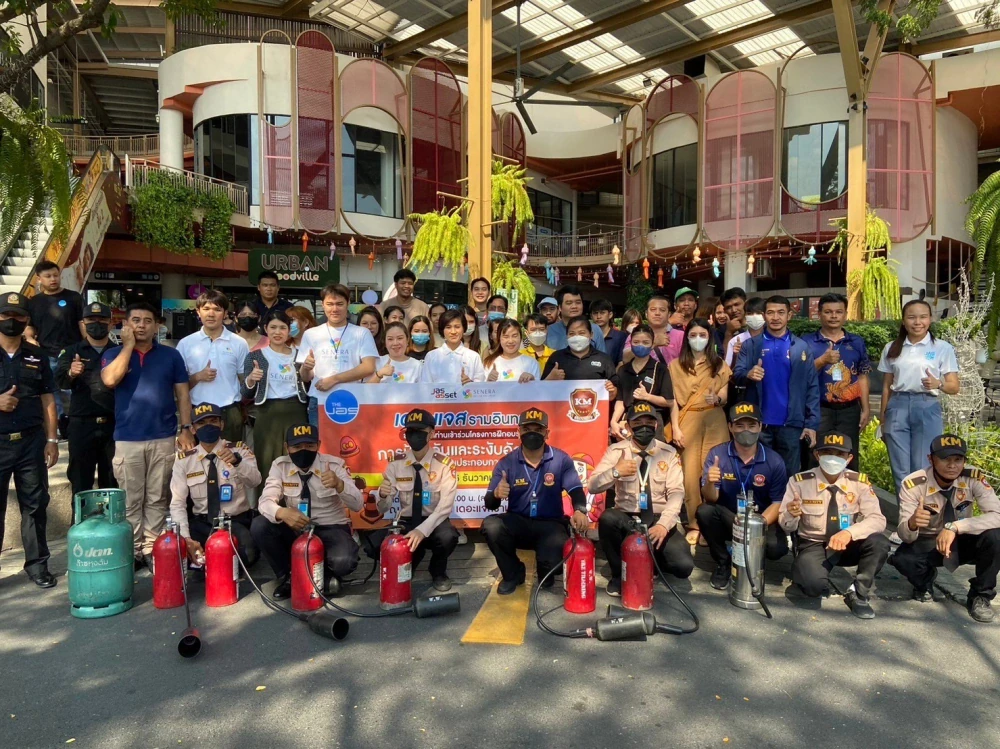
In addition, the Company regularly conducts safety inspections in operational areas and provides training for employees on safe work practices, emergency preparedness, and basic first aid. These initiatives aim to foster a sustainable safety culture within the organization and to assure all stakeholders that the Company genuinely prioritizes the health, well-being, and safety of everyone.
Creating Value and Promoting Well-being within the Community Malls

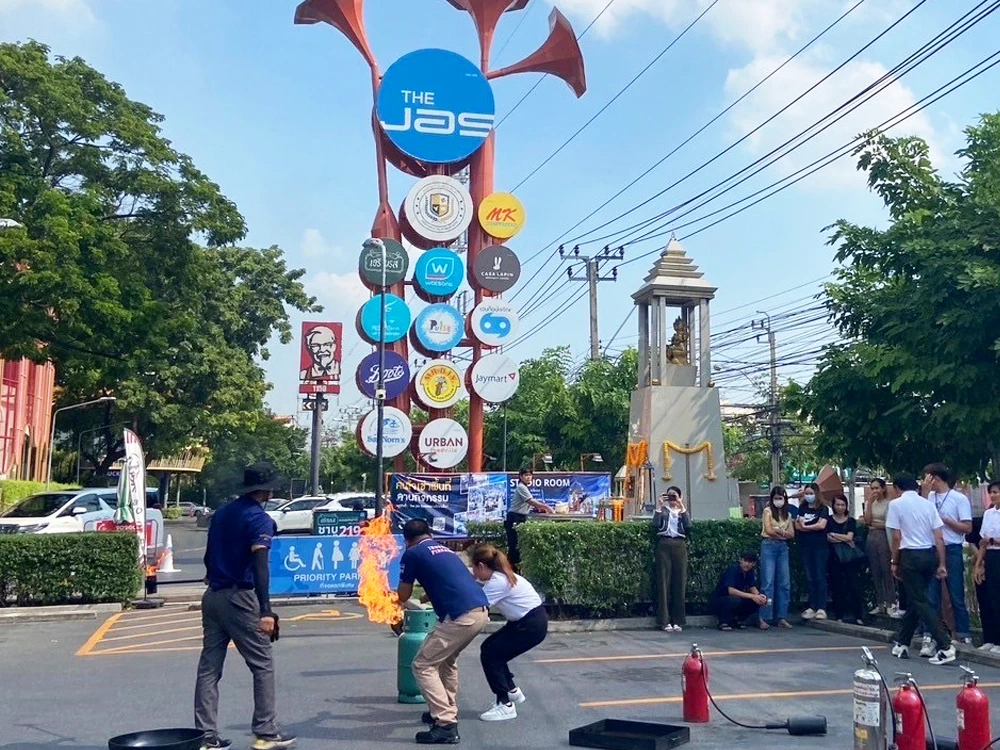
Annual Fire Drill and Evacuation Exercise
First Aid Training

Promotion of Employee Hygiene and Annual Health Check-up Welfare

Business Continuity Plan (BCP)
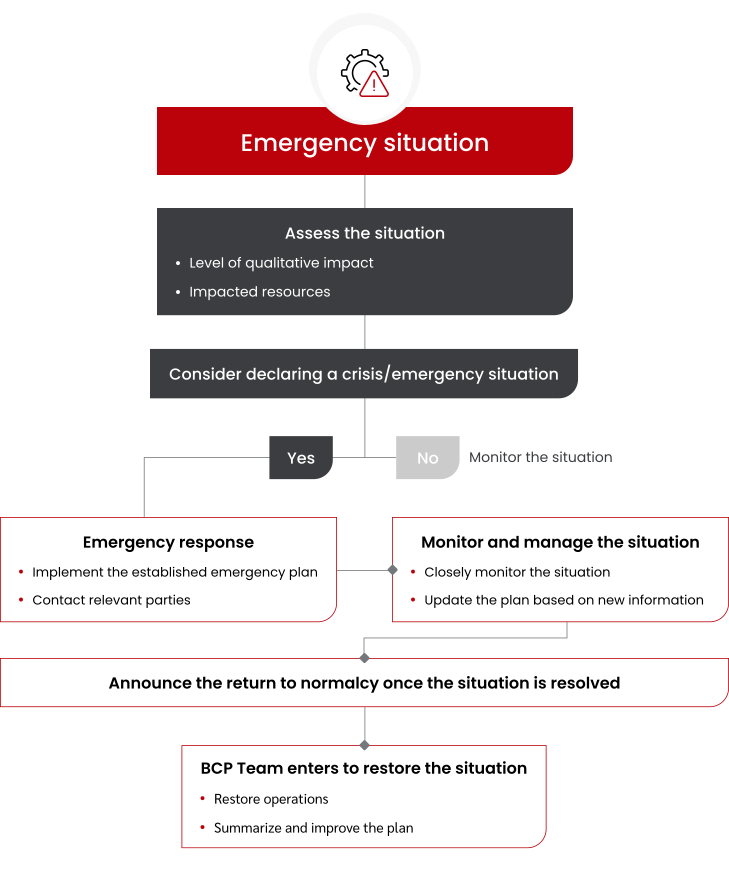
JAS Asset has established a Business Continuity Plan (BCP) to ensure that all departments within the Company can effectively respond to and operate during crises or emergency situations—whether caused by natural disasters, accidents, or malicious acts against the organization
without causing disruptions or interruptions to business operations. Without such a contingency framework, crises or emergencies could significantly impact various aspects of the organization and its stakeholders, including the economy, service delivery, society, communities, the environment, as well as people’s lives and property.

Therefore, the formulation of a BCP is essential to enable the organization to effectively manage unexpected emergencies and restore critical business processes to normal operations or to a predefined service level. This helps minimize the severity of potential impacts on the Company’s departments and stakeholders.
To address such uncertainties and ensure uninterrupted business operations, the Company systematically analyzes and prioritizes risks, then develops corresponding management plans. Moreover, JAS Asset conducts regular BCP simulation exercises to test the plan’s effectiveness, review and enhance it based on the results, and assess both personnel readiness and the efficiency of the plan in responding to crisis situations. The management process is carried out as follows

Assessing the Impact of a Crisis

Establishing a Business Continuity Management Team

Analyzing Business Impacts

Emergency Notification Process (Call Tree)

Business Continuity and Recovery Plan

Review and improvement of the BCP
Assessing the impact of a crisis
Preparing for and being ready to respond to any potential situation, ensuring that business operations can continue uninterrupted.
Establishing a Business Continuity Management Team
To ensure the BCP is executed effectively with clear responsibilities, minimizing duplication in addressing crises.
Analyzing Business Impacts
Prioritizing the impacts and identifying critical processes that need immediate attention to restore normal operations as quickly as possible.
Emergency notification process (Call Tree)
Notifying the BCP team members to ensure accurate and consistent information, allowing each member to prepare and respond to crises systematically with clear responsibilities.
Business Continuity and Recovery Plan
Restoring the situation to normal or pre-crisis conditions as quickly as possible.
Review and improvement of the BCP
Management is responsible for updating the Business Continuity Plan annually to improve its effectiveness and ensure it stays relevant to current circumstances.
Crisis or Emergency Management
The Business Continuity Plan (BCP) is used to ensure preparedness in case of a crisis or emergency situation at the office or within any department.
The company must prepare a plan in advance and be ready to respond to any potential situations to ensure that operations can continue uninterrupted. The company has considered the potential impacts that may arise, as follows

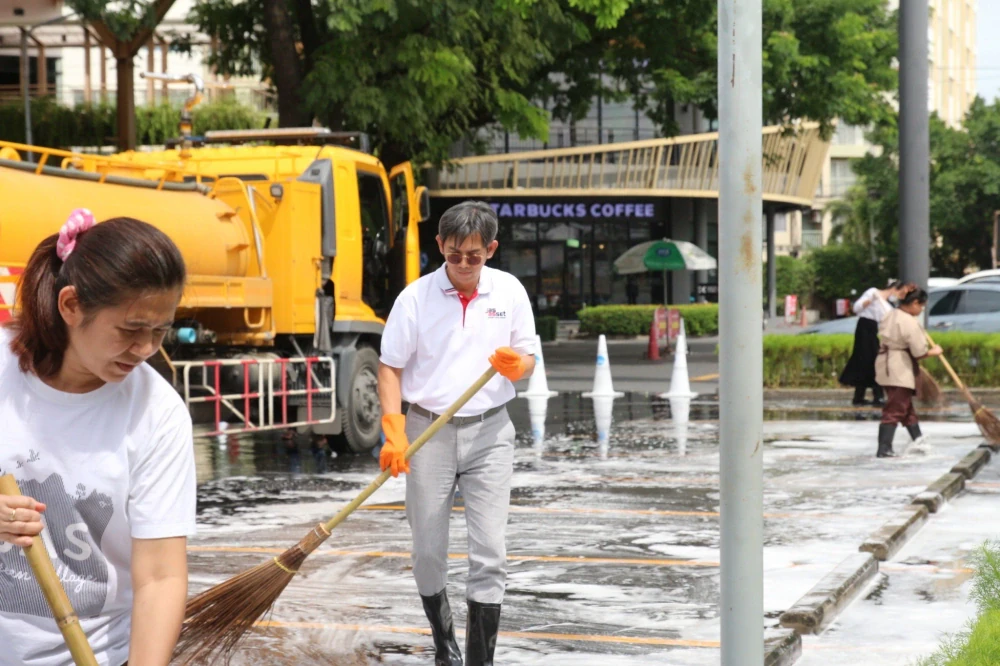
The Flood Disaster

Fire Emergency

Power Outages

Protests / Riots

Terrorist Attack